
Unlocking the Power of Branding: A Step-by-Step Guide to Elevate Your Business
In today’s competitive market, branding is not just a buzzword; it’s a necessity. A strong brand can differentiate your business, foster customer loyalty, and ultimately drive sales. But how do you create a brand that resonates with your audience? This guide will walk you through the essential steps to develop a compelling brand identity that stands out.
Step 1: Understand Your Audience
Before you can create a brand, you need to know who you’re talking to. Conduct market research to identify your target audience’s demographics, preferences, and pain points. Use surveys, interviews, and social media analytics to gather insights. Understanding your audience will help you tailor your branding efforts to meet their needs and expectations.
Step 2: Define Your Brand Purpose
What does your brand stand for? Your brand purpose is the reason your business exists beyond making a profit. It’s the core value that drives your operations and connects with your audience on an emotional level. Take time to articulate your mission statement and core values. This will serve as the foundation for all your branding efforts.
Step 3: Develop Your Brand Identity
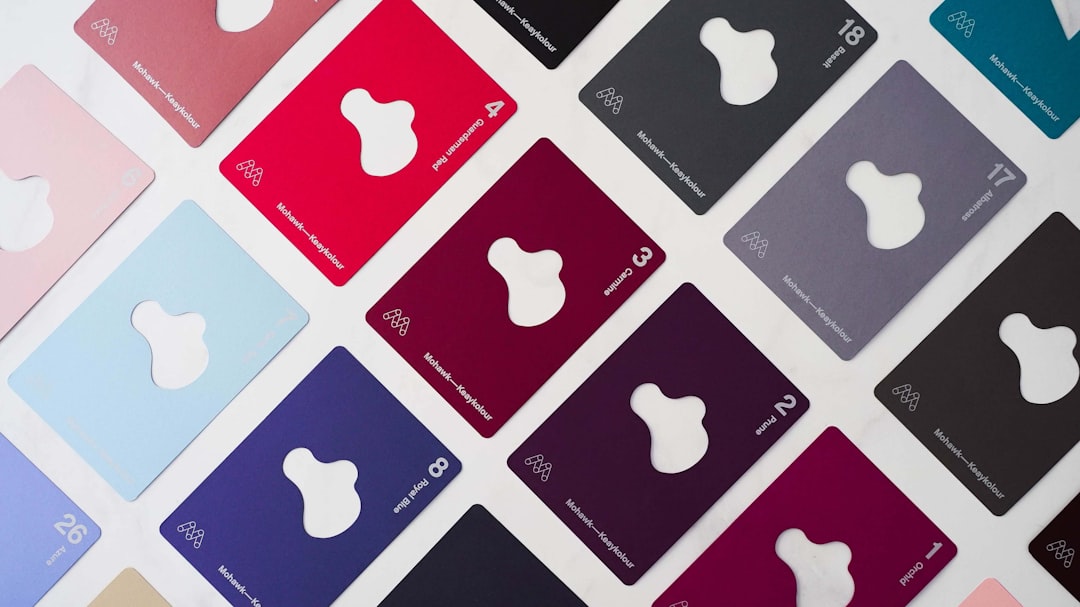
Your brand identity encompasses the visual and verbal elements that represent your brand. This includes your logo, color palette, typography, and tone of voice. Work with a designer to create a logo that reflects your brand’s personality and values. Choose colors that evoke the right emotions and typography that is legible and aligns with your brand’s character. Consistency is key; ensure that all elements work harmoniously across all platforms.
Step 4: Craft Your Brand Story
Every brand has a story. Your brand story is a narrative that communicates your brand’s purpose, values, and personality. It should be authentic and relatable, allowing your audience to connect with your brand on a deeper level. Use storytelling techniques to create a compelling narrative that highlights your journey, challenges, and triumphs. Share this story across your website, social media, and marketing materials.
Step 5: Create a Brand Strategy
A brand strategy outlines how you will communicate your brand to your audience. This includes your messaging, marketing channels, and customer engagement tactics. Determine the key messages you want to convey and the platforms where you will reach your audience. Whether it’s through social media, email marketing, or content marketing, ensure that your messaging is consistent and aligns with your brand identity.
Step 6: Implement and Monitor
Once you have developed your brand identity and strategy, it’s time to implement it. Launch your branding across all touchpoints, including your website, social media, and advertising. Monitor your brand’s performance by tracking key metrics such as brand awareness, customer engagement, and sales. Use tools like Google Analytics and social media insights to gather data and make informed decisions.
Step 7: Evolve Your Brand
Branding is not a one-time effort; it requires continuous evolution. As your business grows and market trends change, be prepared to adapt your branding strategy. Regularly solicit feedback from your audience and stay updated on industry trends. This will help you refine your brand and ensure it remains relevant and appealing.
Step-by-Step Plan:
Step 1: Understand your audience through market research.
Step 2: Define your brand purpose and core values.
Step 3: Develop your brand identity with visual and verbal elements.
Step 4: Craft your brand story to connect emotionally with your audience.
In conclusion, effective branding is a strategic process that requires careful planning and execution. By following these steps, you can create a brand that not only stands out in the market but also resonates with your audience. Remember, your brand is more than just a logo; it’s the perception people have of your business. Invest the time and effort to build a strong brand, and you will reap the rewards in customer loyalty and business success.