Unlocking the Power of Event Marketing: A Data-Driven Approach to Success
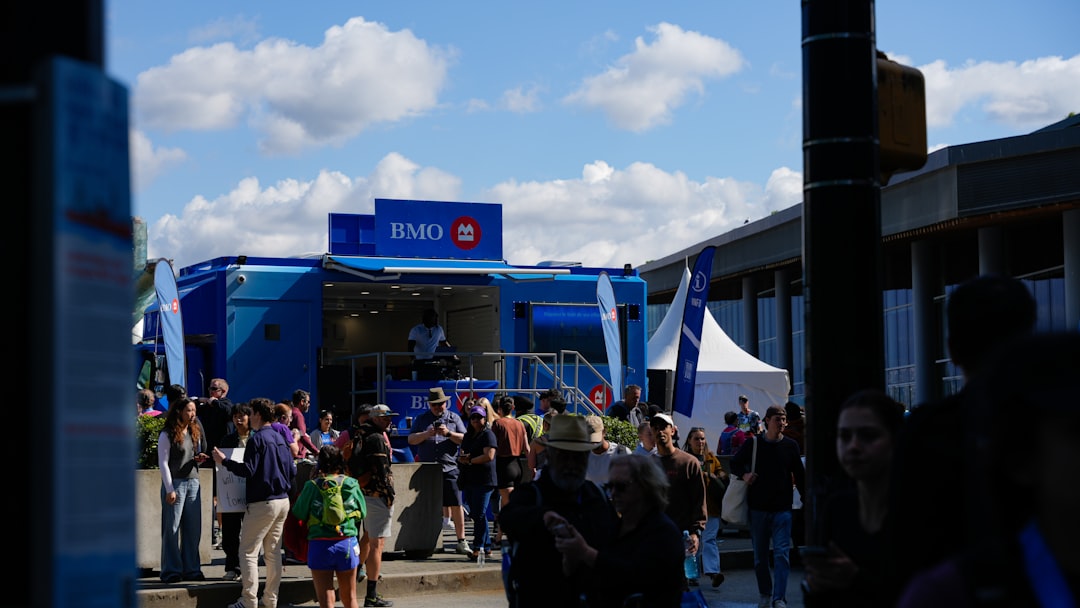
In the ever-evolving landscape of marketing, event marketing has emerged as a pivotal strategy for brands looking to engage their audience in meaningful ways. With the global event marketing industry projected to reach $1,135 billion by 2026, it’s clear that businesses are recognizing the value of face-to-face interactions and immersive experiences. This article delves into the current state of event marketing, backed by recent statistics and consumer behavior insights, to illustrate why investing in this strategy is not just beneficial but essential for brands aiming to thrive in today’s competitive market.
Event marketing encompasses a wide range of activities, from trade shows and conferences to product launches and experiential marketing campaigns. According to a report by Statista, 70% of marketers believe that live events are the most effective marketing channel for achieving their business goals. This statistic underscores the importance of creating memorable experiences that resonate with consumers, fostering brand loyalty and driving sales.
One of the most compelling aspects of event marketing is its ability to create a personal connection between brands and consumers. In a world saturated with digital advertising, consumers are increasingly seeking authentic interactions. A study by Event Marketer found that 84% of consumers value in-person experiences over digital ones, highlighting a significant shift in purchasing behavior. This trend indicates that brands that invest in event marketing are likely to see a higher return on investment (ROI) compared to those that rely solely on digital channels.
Key Insight: The growing preference for in-person experiences suggests that brands should prioritize event marketing as a core component of their overall strategy to enhance customer engagement and drive sales.
Moreover, the effectiveness of event marketing can be quantified through its impact on lead generation. According to the Content Marketing Institute, 78% of B2B marketers say that in-person events are the most effective lead generation tactic. This statistic is particularly relevant for businesses looking to expand their customer base and build relationships with potential clients. By hosting or participating in events, brands can showcase their products and services, engage directly with prospects, and ultimately convert leads into loyal customers.
However, the success of event marketing is not solely dependent on the scale or grandeur of the event. Budget-friendly options can also yield significant results. For instance, smaller, localized events can create a more intimate atmosphere, allowing for deeper connections with attendees. A survey by Eventbrite revealed that 70% of consumers prefer attending smaller events, as they often provide a more personalized experience. This insight encourages brands to consider the quality of engagement over the quantity of attendees, focusing on creating meaningful interactions that resonate with their target audience.
In addition to traditional event formats, the rise of virtual and hybrid events has transformed the event marketing landscape. The COVID-19 pandemic accelerated the adoption of virtual events, with a report from McKinsey indicating that 75% of executives believe that virtual events will remain a permanent fixture in their marketing strategies. This shift presents an opportunity for brands to reach a wider audience without the constraints of geographical limitations. By leveraging technology, brands can create interactive and engaging virtual experiences that captivate attendees and drive brand awareness.
As we look to the future, emerging trends in event marketing are shaping the way brands connect with consumers. Sustainability is becoming a key consideration, with 70% of consumers indicating that they prefer to engage with brands that prioritize eco-friendly practices. This trend is prompting brands to adopt greener event strategies, such as reducing waste, utilizing sustainable materials, and incorporating digital solutions to minimize their carbon footprint. By aligning their event marketing efforts with sustainability goals, brands can enhance their reputation and appeal to environmentally conscious consumers.
In conclusion, event marketing is a powerful tool that can significantly impact a brand’s success. With the industry poised for substantial growth and consumers increasingly valuing in-person experiences, brands must embrace event marketing as a critical component of their overall strategy. By understanding the latest market statistics and consumer preferences, businesses can craft compelling events that not only engage their audience but also drive measurable results. Whether through large-scale conferences or intimate gatherings, the potential for connection and conversion in event marketing is unparalleled, making it an essential investment for brands looking to thrive in the modern marketplace.